
Need assistance?

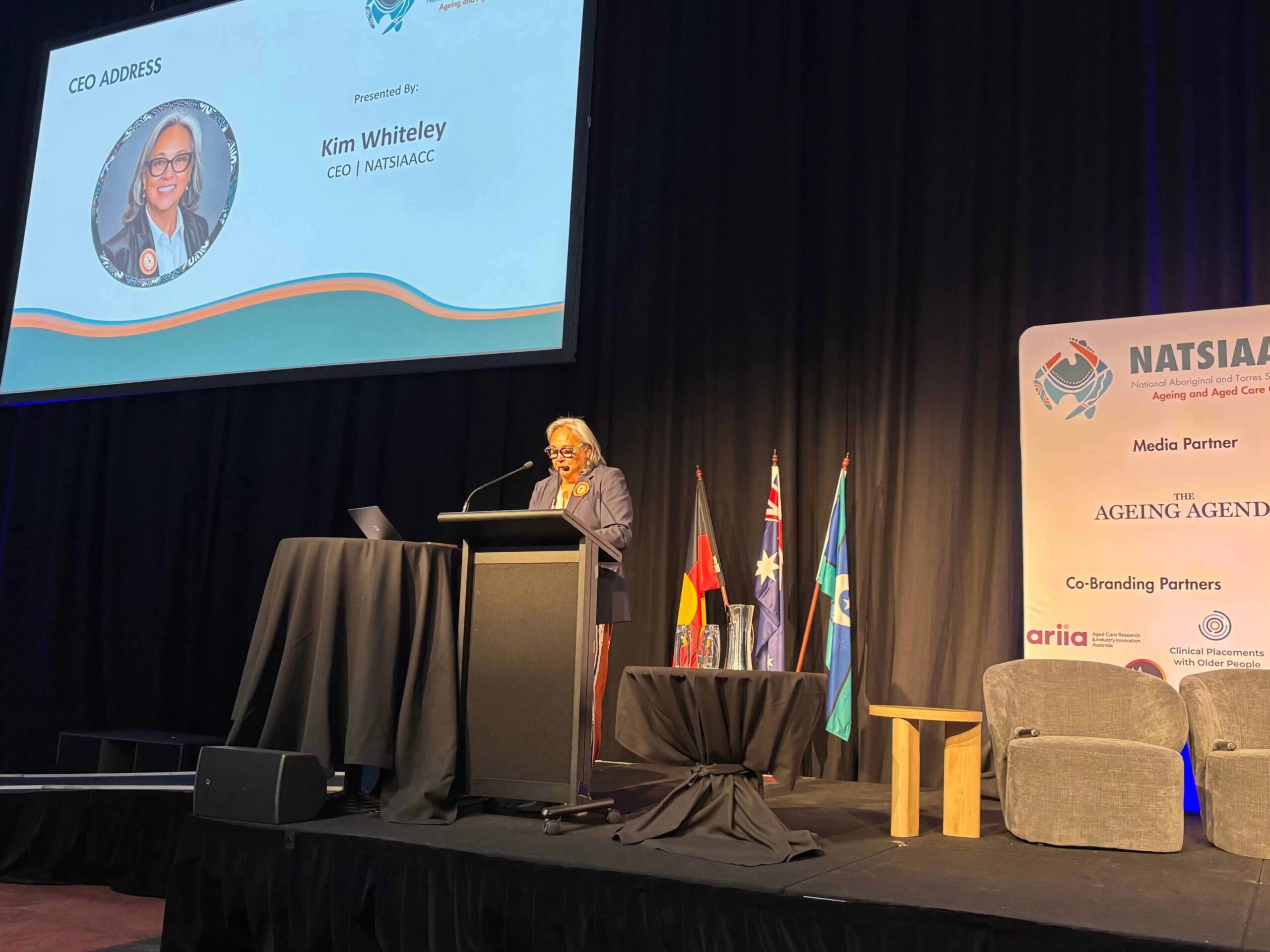

There is a difference in how people measure the success of the aged care reforms, National Aboriginal and Torres Strait Islander Ageing and Aged Care Council chief executive officer Kim Whiteley tells delegates at the peak body’s inaugural conference.
When listening to government and department leaders, Ms Whiteley said discussion tends to focus on progress – new arrangements that have been introduced, the number of assessments completed and the new systems established.
But when listening to providers, families and Elders, Ms Whiteley said she hears about waiting, assessments that don’t recognise people’s circumstances, services that cannot be delivered, providers struggling to remain viable and complex system navigation.
It raises the question of whether it is the process of reform implementation that is being used as the measure of success, or the success of the actual reforms, Ms Whiteley said.
When assessing the success of reforms, there are three things that need to be distinguished:
- implementation: have we delivered the systems and programs we committed to?
- experience: what actually happens to Elders and families navigating those arrangements?
- outcomes: has the reform truly improved the lives of Elders?
“For Aboriginal and Torres Strait Islander people, that distinction matters enormously,” Ms Whiteley said.
“Many of our people enter aged care later, often with more complex needs. Experiences of racism, lack of cultural safety and mistrust can contribute to delayed access or disengagement. An Elder may withdraw from the service that doesn’t feel safe, only to return later sicker and with fewer options.
“And what about the Elders who aren’t receiving care at all? Those still waiting. Those who have given up trying. Those assessed but unable to find a provider.
“They may not appear in our satisfaction measures at all. We must stop confusing evidence that the reform has been implemented with evidence that the reform has improved people’s lives.”
The lived experience of Elders, families and providers is evidence of whether the reforms have been successful, Ms Whiteley emphasised.
“And when those experiences tell a different story from the official account of progress, we have a responsibility to listen and to act. That’s not a rejection of reform. It’s a demand that reform be accountable to its purpose,” she said.

Aged care is a distinct system
Equally important to measuring reform impact is to recognise that aged care cannot be designed solely through health policy lenses or by engagement with only one part of the Aboriginal Community-Controlled sector.
“Health is critically important but aged care is a distinct system,” Ms Whiteley said.
“Our aged care ecosystem includes Aboriginal Community Controlled Organisations, residential aged care providers, Support at Home and CHSP services, and organisations delivering National Aboriginal and Torres Strait Islander Flexible Aged Care programs. It includes land councils, Aboriginal Community-Controlled Health Organisations, Aboriginal corporations and mainstream providers caring for our elders.
“These organisations know the realities of delivering care – workforce pressures, funding arrangements, thin markets, keeping services operating – they must be central to designing the solutions.
“We cannot design solutions elsewhere and simply expect our aged care sector to deliver them.”
NATSIAACC’s role is to connect this knowledge and experience to national policy and reform processes.
But these aren’t separate conversations, Ms Whiteley noted.
“They come back to the same test. Can the system recognise what our elders need, make the right decisions and deliver the care that follows? And if it can’t, who is accountable for changing it? Consultation alone won’t achieve that,” she said.
“Co-design must influence the decisions. First Nations governance must carry meaningful authority because attending meetings isn’t the same as influencing a decision and being heard isn’t the same as something that changes.”
“Our elders aren’t simply a population with higher levels of need. They are knowledge holders, cultural leaders, family members and people whose contributions have sustained communities across generations. Many have lived through policies that denied their rights, separated our families and undermined trust in institutions,” Ms Whiteley said.
“Those histories matter today. Our elders should never have to surrender their cultural identity, relationships or authority over their own lives to receive care.”
Over the next two days, the NATSIAACC conference – held on Ngunnawal and Ngambri Country (Canberra) – will look at how the aged care reforms can be better implemented so that they bring genuine positive change on the ground.
The Ageing Agenda is a media partner for the NATSIAACC conference. Read our coverage here.
Subscribe to The Ageing Agenda newsletters here and follow us on LinkedIn and Facebook

Advertisement

Comments are closed.