
Need assistance?


Key takeaways:
- Rhythm Express’s newly launched RX-1 Sleep software analyzes data from the company’s RX-1 mini cardiac monitor and a pulse oximeter to assess sleep-disordered breathing and cardiac arrhythmias simultaneously.
- The RX-1 Sleep system can aid in assessing cardiac arrhythmias, including atrial fibrillation burden, for up to 30 days and sleep-disordered breathing for up to 3 days.
- RX-1 Sleep’s performance is supported by a multicenter validation involving 476 polysomnography assessments.
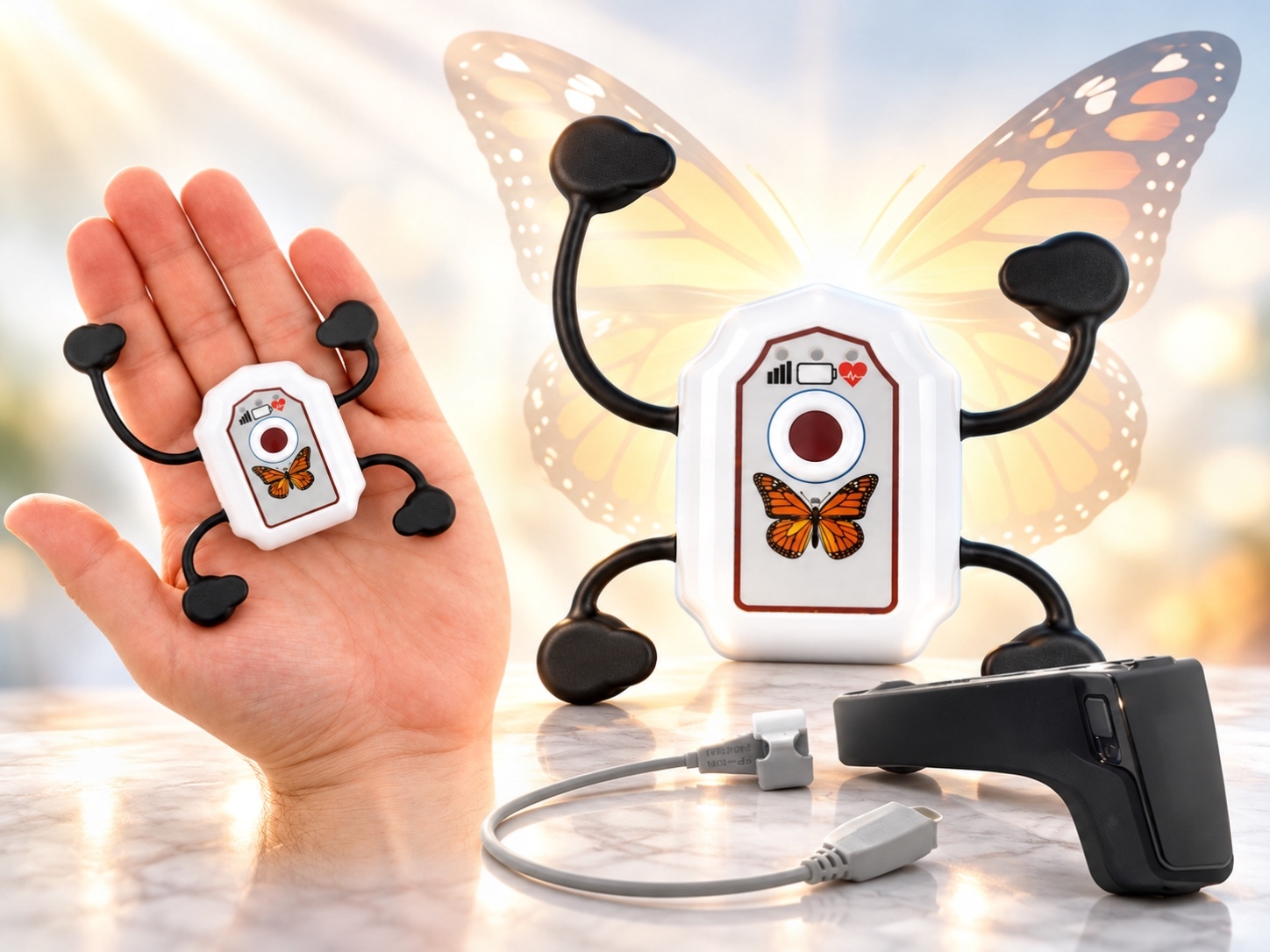
Rhythm Express has launched RX-1 Sleep, a software as a medical device recently 510(k) cleared by the US Food and Drug Administration (FDA) to aid in the evaluation of sleep-related breathing disorders in adults suspected of having sleep apnea. RX-1 Sleep is a cloud-based algorithm that analyzes inputs provided by two FDA-cleared devices intended for clinical and home use: the Rhythm Express RX-1 mini cardiac monitoring systemand a Viatom pulse oximeter.
Building on the company’s RX-1 mini cardiac monitoring system, the RX-1 Sleep system brings sleep assessment capabilities together in a connected platform. The technology addresses an important clinical challenge: atrial fibrillation and obstructive sleep apnea frequently coexist, yet their evaluation has traditionally followed separate clinical pathways. By coordinating these assessments, the company aims to simplify clinic workflows and provide a more connected picture of patients’ cardiac and sleep health.
“Clinicians increasingly recognize obstructive sleep apnea as a key modifiable risk factor in managing atrial fibrillation burden,” says Marina Brockway, founder and chief technology officer of Rhythm Express, in a release.
The prescription-use RX-1 Sleep software analyzes data from RX-1 mini and a compatible pulse oximeter to aid in assessing sleep-disordered breathing, generating measurements including apnea-hypopnea index, sleep/wake status, respiratory effort, and body position. When cardiac and sleep evaluations are both prescribed, the combined system can aid in assessing cardiac arrhythmias, including atrial fibrillation burden, for up to 30 days and sleep-disordered breathing for up to 3 days.
“When we evaluate patients with atrial fibrillation, testing for sleep apnea is common to address underlying contributing risk factors in addition to discussing treatment options,” says Mark Abrams, MD, cardiac electrophysiologist for CareMount Medical and Optum, in a release. “Combining a sleep evaluation alongside cardiac rhythm monitoring allows for expedited diagnosis, evaluation and management in a more holistic way to optimize patient care.”
The product launch is supported by published research comparing the technology with other home sleep apnea testing devices. It highlights the system’s performance across measures such as accuracy, multi-night testing capabilities, cardiac rhythm assessment, and patient convenience. This builds on a multicenter validation involving 476 polysomnography assessments.
For patients, the compact, at-home monitoring approach may reduce the need for separate testing arrangements when both cardiac and sleep evaluations are prescribed. For healthcare organizations, the platform streamlines monitoring and data review.
More in Home Sleep Apnea Testing:

Advertisement
