
Need assistance?

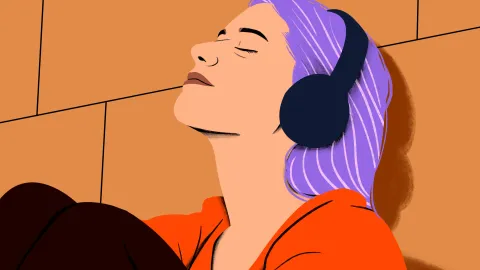

My ADHD diagnosis at the age of 30 introduced me to rejection sensitive dysphoria (RSD) – a term used for the intense pain and agony caused by criticism, real or perceived. Learning about RSD opened my eyes to the impact of ADHD on my life; it helped me understand why I lived with an ever-present, heavy shame.
My shame developed early. I was a child when I first sensed that my innate interests and way of being were faulty. That there was something wrong with me, and that everyone else functioned better. It was an idea reinforced over and over, in moments big and small, like every time my parents called me “artsy fartsy” for my interest in all things creative – the ultimate insult in my conservative household. Or like when a classmate told me, to my horror, that my favorite color, red, was ugly, and that pink was the correct choice for girls. Or when a school psychologist told me that I would be an excellent student if I just “applied myself.”
My symptoms and mishaps — being late, forgetting things, occasionally poor grades – would launch me into shame spirals and whirlwinds of self-loathing. I developed a host of other conditions, including depression and anxiety, all of which I believe were exacerbated by untreated ADHD, RSD, and unaddressed shame.
Learning about RSD led me to my current path as a therapist. I’ve come to see that I’m not alone in managing persistent feelings of rejection, worthlessness, inadequacy, and not measuring up. In fact, I’m still floored by just how deeply we’re impacted by the shame of ADHD, possibly more than the core symptoms of the condition.
Managing RSD
I speak from professional and personal experience when I say that it’s possible to manage RSD’s impact on our lives. Here are the strategies I use for myself and share with my clients to prevent and manage intense emotional spirals.
[Get This Free Download: Understanding Rejection Sensitive Dysphoria]
1. Know your triggers.
Think about the last time you felt awful about yourself. What were the circumstances? Were you late? Did you forget something? Did you lash out at someone you love?
What other thoughts and feelings did that moment bring up? What stories did you tell yourself about the situation? Were you inadvertently comparing yourself to others? Were you worried you were letting someone down?
Knowing when you are more likely to fall into a shame spiral can help you anticipate and intervene. Running behind, for example, is a huge RSD trigger for me.
2. Talk to yourself like you would to a friend.
When I realize that I’m running late, for example, I do my best to take a deep breath and speak kindly to myself. I remind myself that being late isn’t a sin, and that I’m doing the best I can. I look at the evidence for all I did to try to make it on time. I pat myself on the back for what went well and make note of what didn’t so that I know for next time.
[Read: RSD Triggers “Identity-Level Pain” for People with ADHD]
The next time you’re facing a trigger, try compassionate self-talk. Seriously. Over time and with practice, your own words will have a calming effect.
Bonus! Here’s a quote I like to offer my clients: “I am a neurodivergent in a neurotypical world, I am doing the best I can today, which might look different depending on the day.”
3. Use distraction or humor.
Having a distractible mind comes with its perks. Our brains can literally run away from our self-deprecating thoughts into more useful spaces.
When I feel a shame spiral come on, I pull out my to-do list and focus on completing a small task. Or I jog in place. Jumping jacks are also a great distraction that dispel energy.
Humor may be the last place your brain wants to go when RSD is lurking, but I promise it helps. I also find it helpful to keep a folder of funny ADHD memes or reels to review when I need to bring some levity to the situation.
Using humor and compassionate self-talk doesn’t mean that we’re avoiding reality or giving ourselves a pass. If I’m running late because I ignored my alarms, I’m not using humor to bypass accountability. Instead, I use these tools to help me bypass the shame that keeps me stuck and tells me stories about my worth that just aren’t true.
Emotional Spirals, RSD, and ADHD: Next Steps
ADDITUDE IS HUMAN
Artificial intelligence does not create or edit any written content published by ADDitude. Our editorial team is 100% human, and our mission is simple: listen to and serve our readers with hand-crafted, expert-informed resources. To support ADDitude, please consider subscribing. Your readership and support help make our commitment possible. Thank you.

Advertisement
