
Need assistance?

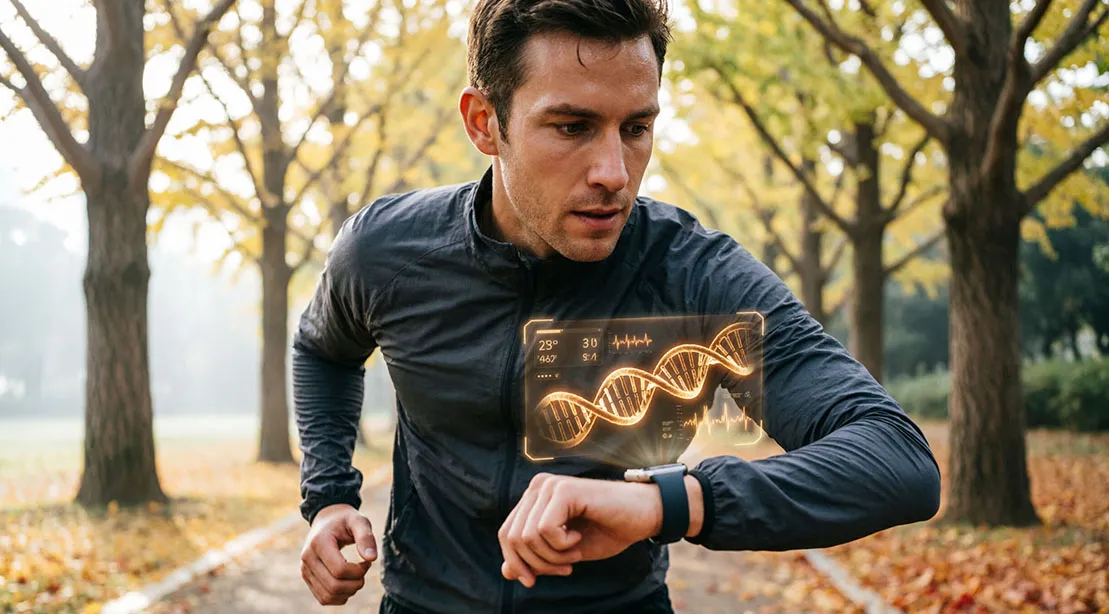
Exercise Is Doing More Than Building Muscle: It May Also Be Rewiring Your DNA

We’ve been saying exercise is good for your immune system for so long that the sentence barely means anything anymore. It’s right up there with vegetables are good for you and smoking is bad. Okay. Thanks. Anything else?
Then somebody finally starts looking under the hood.
A study published September 18 in Science Advances used some fairly sophisticated molecular tools to compare regular exercisers with sedentary people and found differences not merely in cholesterol, blood sugar or some other number your doctor circles in red. The differences went all the way down into metabolism, immune-cell gene activity and the accessibility of the genetic machinery those cells use to do their jobs. That’s considerably more interesting than telling us people who exercise tend to be healthier.
The researchers pulled data from the Chinese Immune Multi-omics Atlas, an enormous project that has profiled more than 10 million circulating immune cells from 428 adults. For this particular exercise analysis, they compared 40 regular exercisers with 46 sedentary subjects. The active group reported training at least three times a week and accumulating at least 150 minutes of moderate exercise or 75 minutes of vigorous exercise.
And this is where things get interesting.

How Does Exercise Change Immune Cell Gene Activity at the Molecular Level?
The exercisers showed metabolic patterns associated with greater fatty-acid oxidation and antioxidant activity. Their immune cells also looked different. Researchers found changes involving cytotoxic T cells and natural killer cells, two components of the immune system involved in identifying and destroying infected or abnormal cells. They also found differences in chromatin accessibility, basically how available certain sections of genetic instructions are for the cell to use, along with changes in signaling associated with antigen presentation and inflammation.
In plain English, the bodies of people who exercised regularly appeared to be operating with a differently tuned metabolic and immune system.
Before somebody starts selling Immune Chromatin Activator Xtreme in a black bottle with lightning bolts on it, however, there’s a rather important catch: This study does not prove exercise caused those differences.
It’s cross-sectional. Researchers essentially took a molecular snapshot of people who exercise and people who don’t. Maybe exercise produced the differences. Very plausible. But perhaps people who exercise regularly also eat differently, sleep differently, have different body compositions or differ in some other way the study couldn’t completely untangle. The researchers also didn’t have the kind of detailed exercise information we’d need to start claiming that deadlifts improve natural killer cells more than rowing or that four workouts beat three.
And please don’t turn “exercise affects the immune system” into “exercise makes you immune to disease.” That’s not what the study says either. Immune biology is ridiculously complicated. More activity from an immune cell isn’t automatically better, and an immune system turned up to 11 isn’t necessarily desirable. Ask anyone with an autoimmune disease.
What makes this study important is something else. For years we’ve measured exercise by what we can see. Bodyweight. Waist circumference. Blood pressure. VO2 max. Muscle. Strength.
Exercise Biomarkers: Visible Muscle vs. Cellular Housekeeping
Those are obviously important, particularly to the M&F crowd, because nobody has ever stood in front of a mirror admiring his chromatin accessibility.
But underneath the stuff we can see, exercise is apparently associated with a massive amount of biological housekeeping.
That’s a useful thought the next time you have one of those workouts where nothing spectacular happens. No PR. No great pump. The scale hasn’t moved. You look exactly the same walking out of the gym as you did walking in.
You may still have accomplished quite a bit.
The more science learns about exercise, the less it looks like something we do merely to improve the body.
It’s beginning to look like something we’re supposed to do.

Advertisement
