
Need assistance?


Victorian aged care and primary health provider TLC Healthcare has announced it will not be charging residents at 10 of its 12 homes a Higher Everyday Living Fee.
Providers need to transition residents by 31 October from additional and extra service agreements to HELF – an optional charge for non-accommodation-related services of a higher standard than those on the service list or additional to them.
A September rule change said it was unreasonable for providers to charge a HELF for services that an aged care resident had previously received at no additional cost prior to its commencement on 1 November.

But TLC Healthcare chief executive officer and managing director Lou Pascuzzi said they want to make life in a TLC aged care home simpler and fairer and so will therefore not be offering HELF arrangements at all homes.
“The industry is having an honest conversation about whether HELF delivers value,” he said. “We’ve made our decision, and we think families will appreciate the TLC difference.”
Close to 2,000 residents will be able to access more than 30 lifestyle and wellbeing services at no additional cost, including:
- a daily hot breakfast option
- round-the-clock access to the complimentary resident café
- meal choices at every sitting
- complimentary, unlimited high-speed Wi-Fi – supporting access to Netflix, YouTube, catch-up TV and video calls
- fully catered outings to TLC’s corporate boxes at Marvel and GMHBA stadiums
- a smart TV
- free local and national calls
- daily newspapers
- weekly live entertainment
- regular bus outings
- art and virtual-reality travel programs
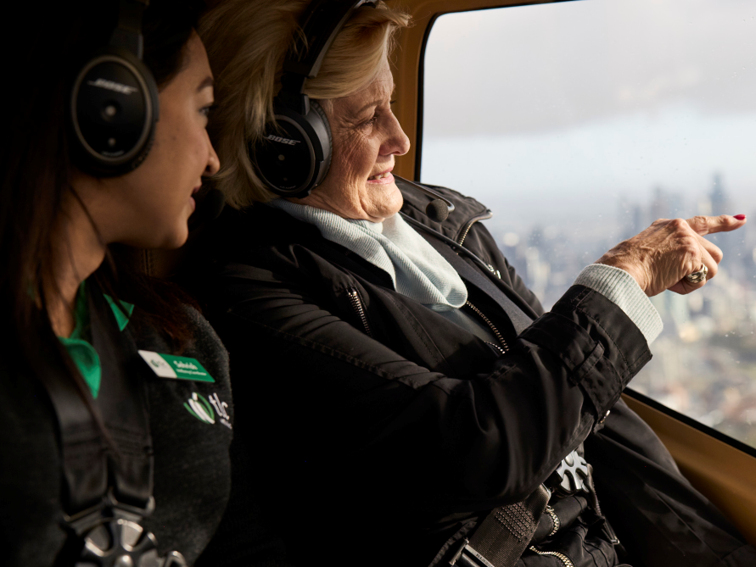
- premium field trips, as part of the TLC Wellbeing Program – including yacht cruises, helicopter rides and complimentary high-end restaurant visits
- a dedicated liaison officer.
Residents will also have access to:
- co-located bulk-billed general practitioners
- a sports bar, with wine or beer available with lunch and dinner
- an onsite gym, including group exercise classes
- onsite physiotherapy, dietitians, podiatrists, specialist psychology and dementia support
- a movie theatre.
Some of the homes also have in-room refrigerators, concierge parking for visitors, hydrotherapy pools with allied health-led programs and onsite bowling and golf putting greens.
“Choosing aged care is already one of the hardest decisions a family makes, and the costs can be confusing, with many Australians experiencing exorbitant cost increases [resulting from] the recent Federal Government means-testing rule changes. We didn’t want to add another fee on top,” Mr Pascuzzi said.
“We also didn’t want a home where some residents enjoy a glass of wine with dinner or a session in the gym and others miss out because of what they can afford. At our HELF-free homes, these attributes are simply part of living with TLC.”
Sector uncertain on HELF
Regional aged care provider Capecare has also decided not to universally introduce HELF services at its homes. The provider explained at a Mirus Australia HELF webinar in March that it was instead looking at incorporating additional features into the Refundable Accommodation Deposit at their Dunsborough home.
Speaking at the same webinar, not-for-profit provider For Purpose Aged Care chief financial officer Paul O’Mahoney said they were “staying out of the HELF game” for the time being too, due to purpose-alignment and culture-alignment and a concern it could see a two-tier system develop.
Opal HealthCare is among the providers that have introduced HELF arrangements, but has drawn criticism for its approach.
The provider was made to refund or credit more than $190,000 to nearly 350 residents after identifying an issue with existing HELF arrangements following updated guidance. Opal notified the regulator of the issue in March.
In March, Minister for Aged Care and Seniors Sam Rae had described Opal HealthCare’s HELF trial as “absolutely disgusting”, following reports the trial included the removal of personal access to televisions and free-to-air channels and the removal of hot meals for breakfast as universal services. However, Opal HealthCare rejected this characterisation.
Meanwhile, the Aged Care Quality and Safety Commission is investigating several providers amid concerns they are charging for services that should be included as part of standard care, or charging for services that residents cannot or do not use.
Interested in aged care policy? Read more articles here
Sign up to our free newsletter and subscribe to AAA magazine for the complete aged care picture

Advertisement

Comments are closed.