
Need assistance?

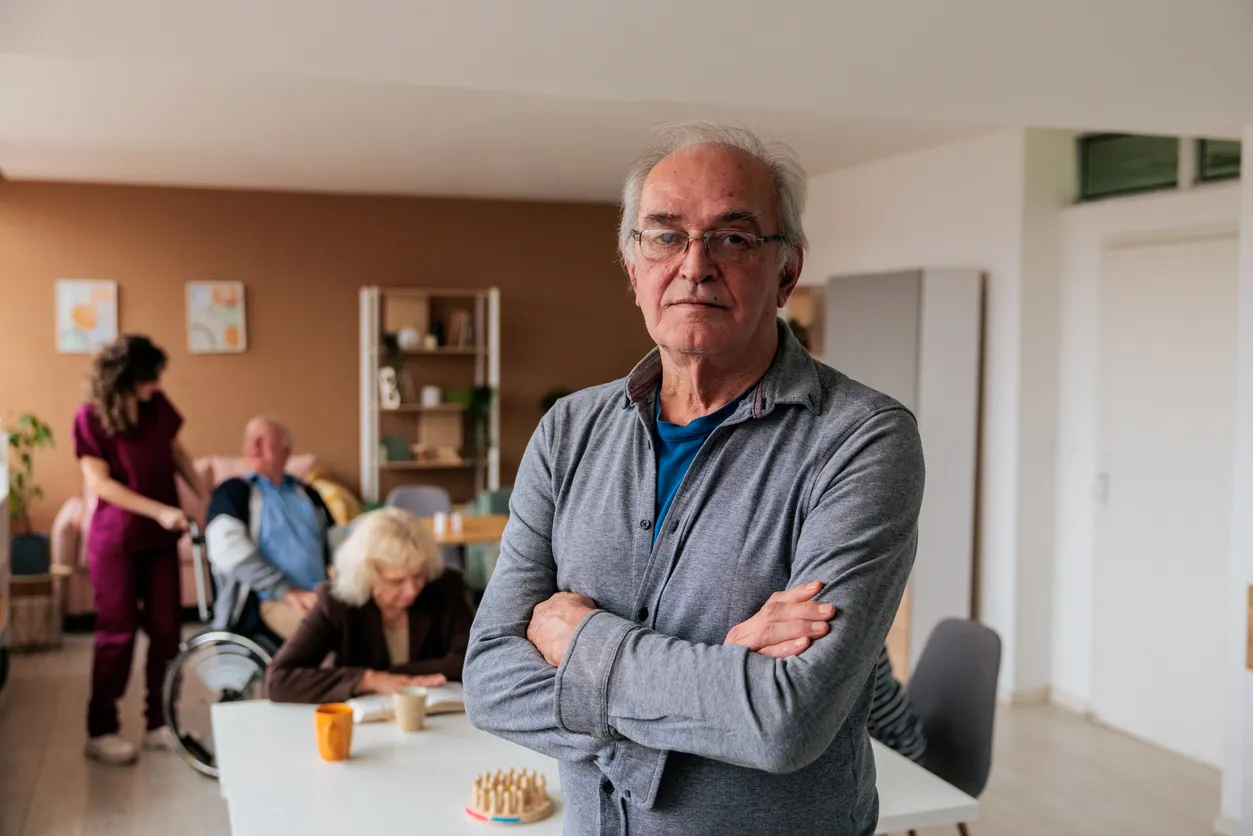

There is a tidal wave of good intent crashing over the old lichen-covered rocks of our nation’s aged care facilities. According to the Aged Care Quality and Safety Commission, residents are now to be treated with greater “dignity and respect” than might have been common in the same institutions of their not-too-distant past.
But this new independence or “individualisation” has to be paid for by the resident’s acceptance of greater risk. Everything good has a price, and this principle is no exception. What do these terms mean and how do they affect you, the aged bastions of our particular generation?
You may have recently lost your spouse and your children and grandchildren may have moved to distant cities to further their careers or to be closer to the in-laws. Suddenly you may feel abandoned and lonely in a facility which, however caring and pleasant it may be, is not like home to you and is a far cry from the previous life you might have had.
You may have been suddenly stripped of your “dignity” and apart from some weekend visits from former, and likewise ageing, workmates and diminishing phone calls from afar, very few are left to show you the “respect” that your lifetime has earned. You might feel alone and your treasured individuality has been diminished. And there is little that you can do about it.

Being treated as an “individual” rather than just a “patient” is a good start.
No matter whether your admission to advanced aged care was because of a stroke, dementia, a bad fall or some past disease that has put you into palliative care, you deserve to be treated with respect and as the dignified individual that you are.
Not exactly aristocratic perhaps, but because of your uniqueness in the life that you have lived now for a very long time, you deserve that respect.
It is the little things that define you. How you like your coffee or cuppa in the morning, at what time you awaken and when you usually get out of bed. Also, what time you usually go to bed and turn off the lights.
Then come your main interests. Do you like to read a lot, and what kind of books do you like? Are you happy just sitting in your old comfy armchair and watching the footy on your TV, or do you prefer current affairs and the news on your computer? Do you want to travel and see as many new places as you can in what is left of your allotted time? These are just some of the quirks that make you the individual that you are, and to lose them makes you less.
Then, of course, there is the food. For many, this is one of the enjoyments that their lonely lives have left. And often, the dining experience is the main source of conviviality for the day.
The economics of the kitchen may ultimately determine the quality of the ingredients of the dishes that we are served, but it is the attitudes and basic training of the cooks and the general care staff that determine whether or not you, the high-paying resident, are served those meals with “dignity and respect.”
For example, it would be difficult to find the “dignity” in a slopped bowl of soup, carelessly served by a humourless waiter, without a soup spoon to eat it with, or without condiments that might add a little to its flavour. Or explaining to another newly recruited and qualified care worker that you’d like a pat of butter and some pepper to enhance the flavour of the big serving of dry mashed potatoes that accompanies your main meal.

One would also find little “dignity” in being served tea or coffee in an old, chipped mug or to have to stir it with the back of a used dining knife or fork. Surely a teaspoon and a nice fine-boned china cup and saucer is not too much to ask for the hundreds of dollars per day that most residents pay.
After reading and watching the great Maggie Beer’s mission to enhance the dining and general life experiences of Australian aged care residents, I for one, have noticed a substantial improvement.
But there is still room for more improvement. Below are my tips for providers – and residents.
1. Choice and independence are paramount
Each main component should be served separately on a large platter with some meats well-cooked and mushy and others with less cooking and more texture and succulence to suit preferences and diets.
Sausages and rissoles should be grilled or pan-cooked for succulence, and never baked dry in an oven.
There should be lots of fresh salads, dressings and undercooked greens.
Residents who are capable should serve themselves, while those less capable can be assisted by care staff at the dining table.
2. Ban lolly water
Fresh or filtered drinking water should be provided twice daily to those unable to collect it themselves. Cordial – also known as lolly water – should be banned.
3. Hospitality standards
Fresh towels should be provided daily. There is no dignity or hygiene in washing one’s hands after toileting and then having no towels readily available to dry them.
Rooms and floors should be cleaned regularly and beds made daily, sheets changed weekly, old food or meal plates cleared from room trays promptly, and bins emptied.
4. Privacy first
The privacy of the individual, including the right to control the flow of staff into each resident’s assigned room is, within reason, a manifestation of their newly found dignity, and must be respected.
5. Next gen preferences
Remember that we are part of the new generation of old people. No longer do we have to like and listen to grandma’s pre-war music or to select her depression-based diet. Let us move on with dignity and grace and relish the new direction that is ahead for us in aged care.

6. Staff matters
I believe a collaborative attitude plus a commitment and deep understanding of the individual differences that influence a resident’s sense of personal dignity are essential in the selection and training of new care staff.
Also, a clear chain of command should allow residents to clearly express any grievances to the facility’s senior management. Floor management skills may not, therefore, be based solely on registered nursing qualifications, but rather on the psychological appreciation and persistent application of the principles promoted by the Aged Care Quality and Safety Commission. This may promote better outcomes.
7. Residents’ responsibilities
Residents must also appreciate and recognise that any disruption to the efficient operation of the facility as a result of the greater choices that they now have, is not without its costs.
We, however, must enforce the principles and not accept anything less. We, as residents, have a role to play in the forthcoming tsunami.
Norman Philp, PhD, is former head of CSU’s Business School, Albury, and current aged care resident in Tweed Heads
Find more opinion articles here – and if you have an opinion to share on something topical in aged care, get in touch at editorial@australianageingagenda.com.au

Advertisement
