
Need assistance?


Western Australia requires thousands of new beds to meet the growing demand for residential aged care, but sector investability remains a challenge for the state.
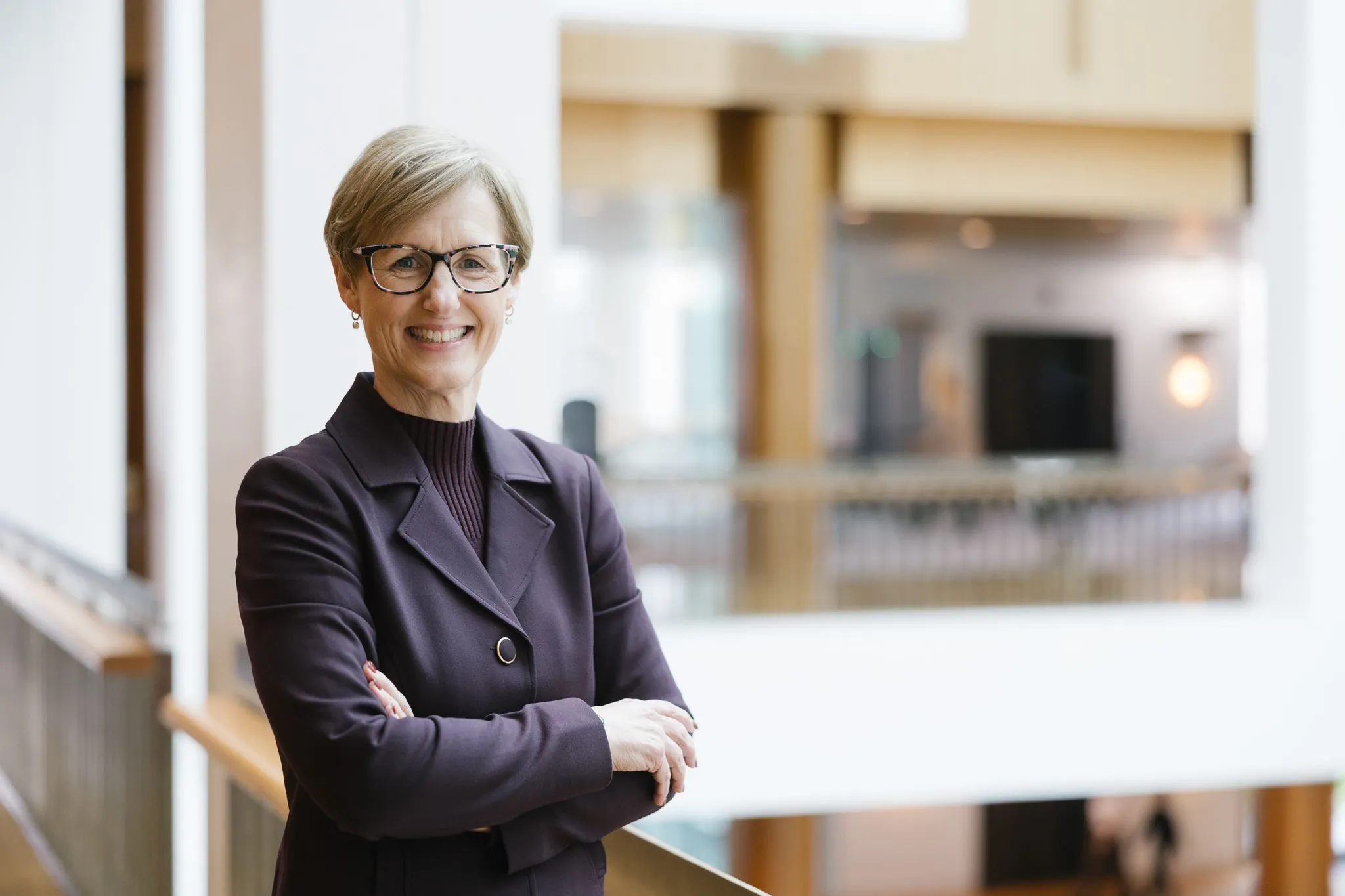
Speaking to Australian Ageing Agenda, Amana Living chief executive officer Stephanie Buckland acknowledged this issue is not unique to WA, but noted the problems are more pronounced due to the cost of construction. This is largely due to competing with the resources sector for construction labour.
Amana Living has some “pretty ambitious plans” to grow its aged care capacity, Ms Buckland said. “But the economics don’t stack up.”
When you evaluate the cost to build a new facility and then evaluate the income streams and what’s left at the end, the return on investment is not enough to be able to borrow funds to repay any sort of loans, she said.

According to the EY Parthenon Supply & Demand Analysis of Residential Aged Care in WA report, released in May, the cost to build a bed in WA is around $650,000. Some planned new facilities quote an average cost of $700,000 to $1 million per bed.
The nursing labour costs are also higher for aged care providers in WA, with rates for aged care nurses among the highest nationally.
According to Healthcare Australia, the base salary for aged care nurses in WA is around $89,000. The national average is $86,500.

WA also has to grapple with regional and remoteness challenges that are very different to other parts of Australia, with the exception of the Northern Territory and Queensland, Ms Buckland said.
Housing is another big challenge in WA, where aged care workers have to compete with the resources sector alongside general growing unaffordability.
Amana Living has been targeted in its approach to the investability problem by primarily focusing on upgrading existing facilities rather than building new ones, Ms Buckland said.
The provider is also placing a strategic focus on growing its home care presence, she said, adding that it offers a less-capital intensive way of supporting people.
National challenges, WA-specific pressures
Recognising WA is facing issues mirrored in all parts of Australia but with these additional pressures, Amana Living, BaptistCare, Bethanie, Brightwater Care Group, Hall & Prior, Juniper, and Southern Cross Care WA came together to form the Advance Ageing WA group.
The group formed in 2020 “during a crisis”, she said, with the sector facing a global pandemic and a royal commission. Since then, Advance Ageing WA has been focusing on tackling growing demand and slowing capacity. This month, Ms Buckland was part of the delegation who travelled to Canberra to present the Rights to Reality report to parliamentarians.

Advance Ageing WA’s 44-page report outlines the following three priority areas for action and three key recommendations for each.
1. System viability and capital investment
Recommendations include:
- to establish a Western Australia aged care viability and investment framework
- to develop a joint Commonwealth-Western Australia aged care capital and infrastructure pipeline
- better alignment of aged care funding and capital settings to strategic need.
2. Building a workforce for a future-ready system
Recommendations include:
- to establish a Commonwealth-Western Australia aged care workforce compact that translates projected demand across the full aged care continuum
- to build and sustain the aged care workforce pipeline by positioning aged care as a priority growth sector
- to lift workforce capability, productivity and sustainability.
3. Place-based planning and integrated care
Recommendations include:
- to establish a shared Western Australia place-based planning framework for ageing and aged care
- to build a shared aged care data, planning and equity platform
- to implement place-based reform through pilots and whole-of-system integration.
The recommendations arose from direct experience that each organisation has had or is having, Ms Buckland said. But looking at investability specifically, it is a responsibility that sits within the Commonwealth Government remit, she said.
“It is about recognising that Western Australia is different, that there are some unique challenges of operating here,” she said.

Then more broadly, it’s about understanding how investment decisions get made in aged care and creating incentives to promote investment in additional or improved capacity.
“That is something that the Commonwealth Government and the people in the department who are responsible for that… are working very hard to try to understand how to get the levers right so that we can result in an investment outcome,” Ms Buckland said.
“Because what’s happening at the moment, in terms of activity in the sector, is mergers and acquisitions – so the market share is changing but the overall pie is remaining by and large the same. And that’s the problem, because the system can’t cope with the number of people who are going to need care.”
Additionally, home care also needs to be investable, she said. When setting pricing for home care, there has to be an adequate margin in those prices to enable home care providers to invest in technology and staff.
“Because if we are looking to be able to support more people for longer in the community, then the staff capability needs to be there,” said Ms Buckland.
“They’re not just going to be going into a person’s house providing cleaning services, they’re going to be going into their house providing clinical services and supporting with a range of activities, and so they’re going to need to have skill and capability – including supporting people living with dementia in their own homes.”

Aged care in the future
Looking to the future, Ms Buckland said she hopes to see a sector where any older person who needs to have support in their home can get it without needing to wait a year or more to receive the care they require, or face hospitalisation or early entry into residential aged care due to inaccessibility of in-home support.
“For me, it’s about that system working well, and not being rationed,” she said. “Truly that is my hope for the sector.”
She also hopes to see the right investment equation so that providers can invest in more facilities.
“That would enable us also to be doing investments in technology that help make our employees’ job easier,” Ms Buckland said.
“As I say to our new starters when they start, nobody becomes a nurse because they want to fill out paperwork. They become a nurse because they want to look after people, to support people. We need to make that as easy as possible for people.”
Read the Rights to Reality report here.
This article is part of our 2026 Leadership Talk series featuring senior executives in the aged care sector
We hope you enjoyed this article – please add your comments below
Visit our features section for more in-depth stories

Advertisement
