
Need assistance?

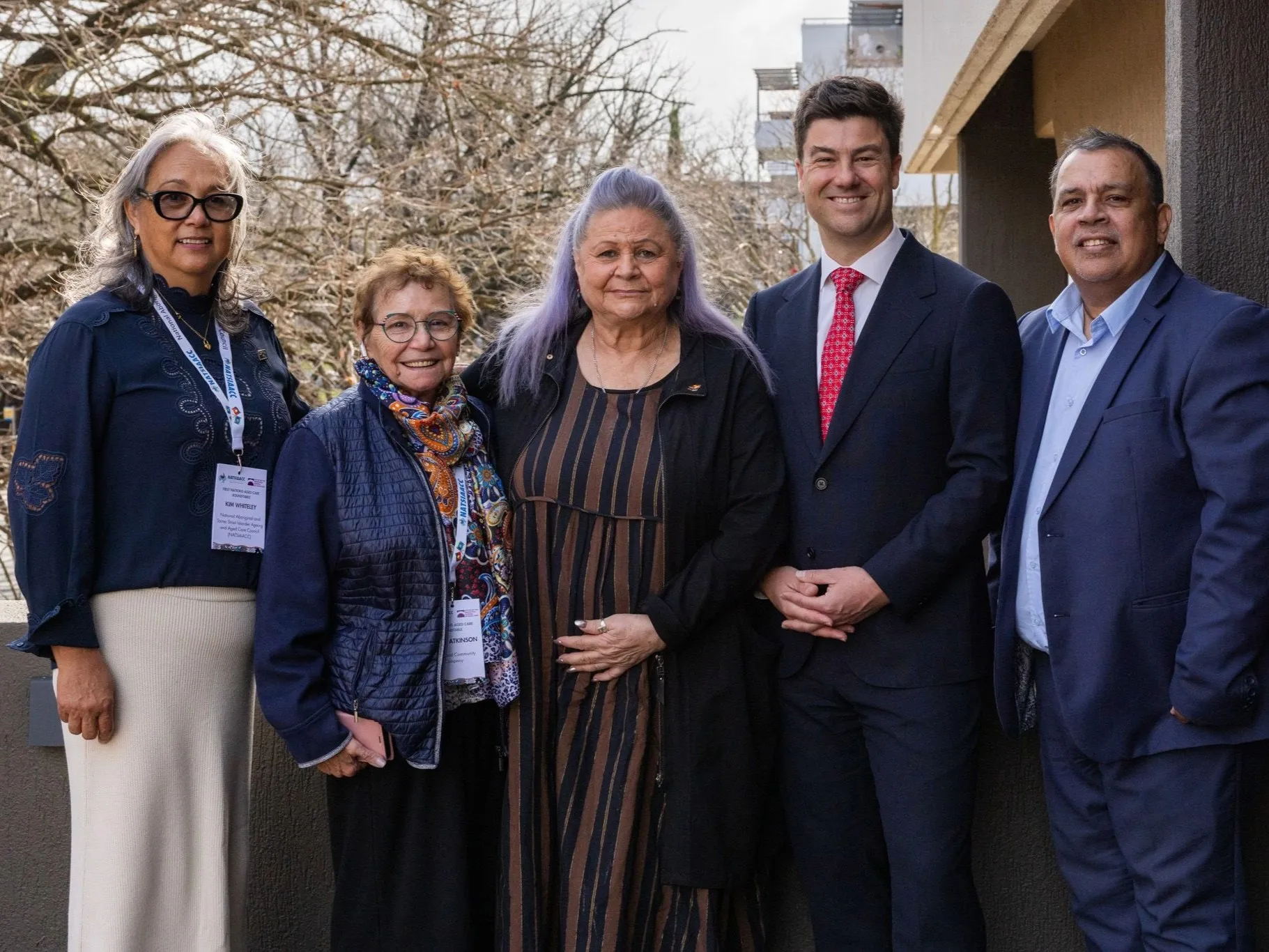

The National Aboriginal and Torres Strait Islander Ageing and Aged Care Council and the Office of the Inspector-General of Aged Care have come together to convene a roundtable on Ngambri and Ngunnawal Country (Canberra) to discuss action needed on Aboriginal and Torres Strait Islander aged care reform.
The roundtable – which took place at the National Press Club on 1 July – built on the June 2026 Joint Statement led by NATSIAACC.
It involved leaders from across the First Nations ageing and aged care ecosystem speaking with one voice about the need for greater visibility, stronger accountability and better coordination as aged care reform progresses.
NATSIAACC chief executive officer Kim Whiteley told Australian Ageing Agenda that the council convened the roundtable because reform implementation is progressing faster than the visible incorporation of First Nations priorities.
Evidence about what Aboriginal and Torres Strait Islander Elders and Older People need already exists through years of consultation, reports, inquiries and community leadership, she said, and the central question of the roundtable was, are Aboriginal and Torres Strait Islander Peoples genuinely helping shape implementation as it occurs?

Ms Whiteley told AAA that there was a strong agreement that it is no longer about identifying what needs to change.
“The evidence already exists. The focus now is ensuring implementation is guided by genuine partnership, shared decision-making, cultural safety, accountability and enduring Aboriginal and Torres Strait Islander leadership,” she said.
More than 50 representatives from across the Aboriginal and Torres Strait Islander ageing and aged care ecosystem attended, including Aboriginal community controlled aged care providers, First Nations peak organisations, Elders, regulators, researchers, sector partners and allies.


Ms Whiteley said their attendance was an opportunity for the roundtable to also consider how enduring First Nations leadership, stewardship and genuine partnership can continue to guide reform as implementation progresses.
Minister for Aged Care and Seniors Sam Rae attended the roundtable, as did the recently appointed Interim First Nations Aged Care Commissioner Jodi Cassar.
“Bringing this breadth of leadership together reflected a shared commitment to ensuring aged care reform is implemented in genuine partnership with Aboriginal and Torres Strait Islander Peoples, so Elders and Older People can age with dignity, choice and culturally safe care while remaining connected to family, community and Country or Island Home,” Ms Whiteley told AAA.

Implementation requires ongoing governance, accountability, collaboration
On what action NATSIAACC hopes to see come from the roundtable, Ms Whiteley said she wants the extensive body of evidence and the priorities consistently identified by Aboriginal and Torres Strait Islander communities translated into the implementation of aged care reform.
“This is not about creating new priorities; it is about ensuring existing commitments are implemented transparently, consistently and in genuine partnership with Aboriginal and Torres Strait Islander Peoples,” she reiterated.
“Success will be measured not by the number of reforms introduced, but by whether Aboriginal and Torres Strait Islander Elders and Older People experience better, more culturally safe care and whether First Nations-led leadership remains central to the governance, implementation and future direction of reform.”
Ms Whiteley told AAA that the roundtable ultimately reinforced how implementation is a long-term process that requires ongoing governance, accountability and collaboration.
NATSIAACC will continue working with the government, regulators and the broader sector to ensure First Nations priorities remain visible throughout reform implementation, Ms Whiteley said, and to ensure that Aboriginal and Torres Strait Islander Peoples remain genuine partners in shaping reform.
“The focus now is on translating the considerable body of existing evidence into practical action, while strengthening the stewardship arrangements needed to sustain reform over the decade ahead,” she told AAA.
Interested in aged care policy? Read more articles here
Sign up to our free newsletter and subscribe to AAA magazine for the complete aged care picture

Advertisement
