
Need assistance?


Key takeaways:
- People with idiopathic hypersomnia wait an average of eight to 11 years for a diagnosis, while those with narcolepsy type 1 wait four to 11 years.
- The collaboration will run patient focus groups to gather input on the testing experience and inform a national home sleep testing network.
- The initiative aims to identify undiagnosed patients, support those already diagnosed with better treatment pathways, and connect the community to clinical trials.
Beacon Biosignals and Project Sleep have partnered to reach people living with idiopathic hypersomnia and narcolepsy earlier in their diagnostic journeys.
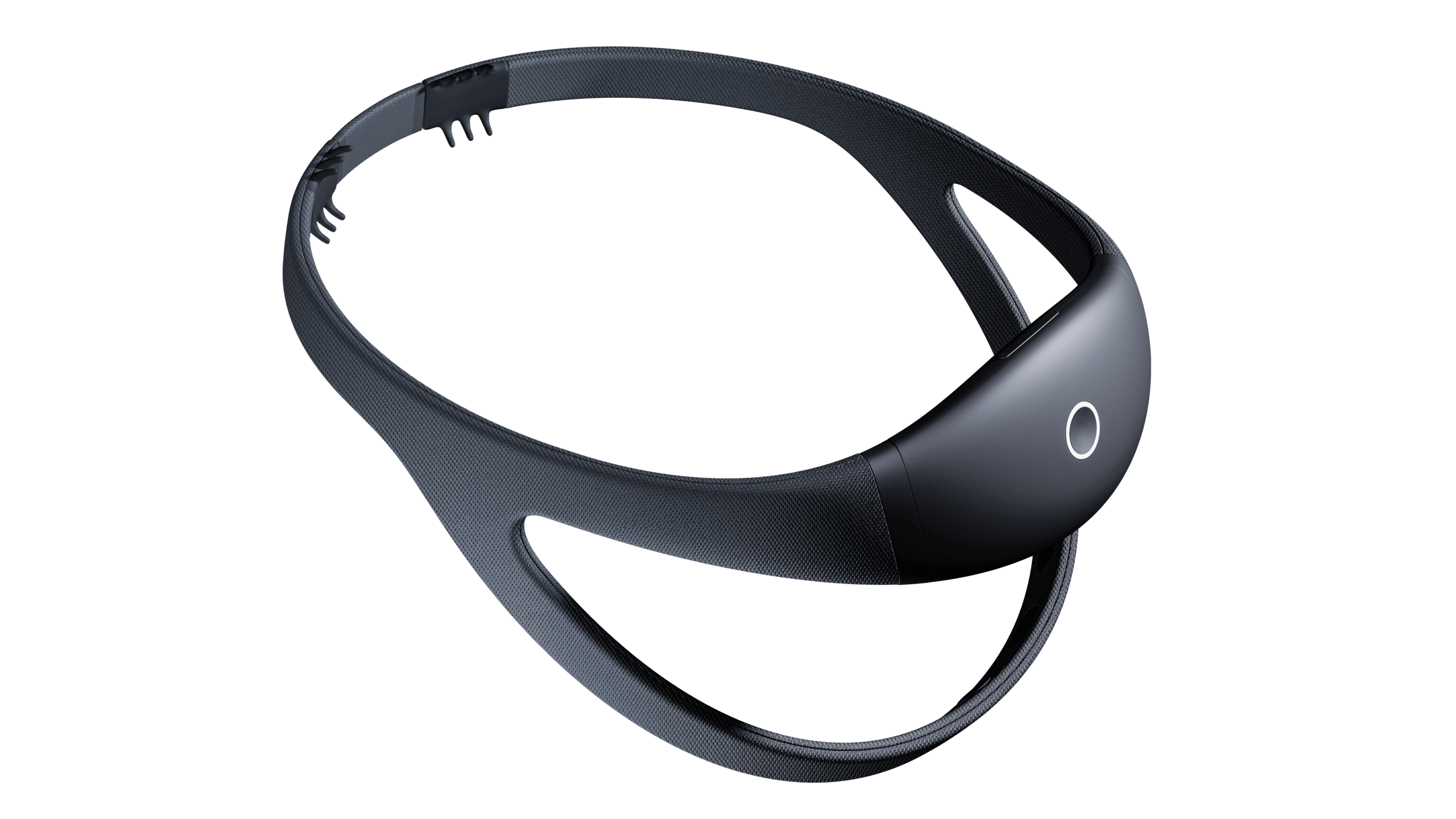
The collaboration brings together Beacon’s artificial intelligence-driven neurotechnology platform and Project Sleep’s national community of patients, advocates, and researchers.
People with idiopathic hypersomnia currently wait an average of eight to 11 years for a diagnosis, while people with narcolepsy type 1 wait four to 11 years. During this period, patients are often misdiagnosed with major depressive disorder or another psychiatric condition, or their clinical picture is clouded by a diagnosis of obstructive sleep apnea. These diagnostic delays can negatively impact patients’ education, employment, and quality of life.
Through this partnership, the organizations aim to identify undiagnosed patients, support people already diagnosed with better treatment pathways, and shorten the time between a first symptom and a clinical answer.
“Improving patients’ lives is central to Beacon’s mission,” says Jacob Donoghue, MD, PhD, CEO of Beacon Biosignals, in a release. “Project Sleep has spent more than a decade building trust in this community and amplifying patient voices. Working alongside them enables us to use our technology to find and treat people with disorders of hypersomnia sooner.”
Beacon will run patient focus groups alongside Project Sleep to gather structured input from patients and caregivers on the testing experience. This feedback will inform Beacon’s national home sleep testing network, which supports enrollment in clinical research. Project Sleep connects its community to sleep disorder studies from both industry and academic sponsors.
“Our community has always been ready to participate in research and to help solve the diagnostic delay that so many of us lived through,” says Julie Flygare, JD, president and CEO of Project Sleep, in a release. “What has been missing is a way to relay those insights to the people building diagnostic tools and novel therapeutics. This partnership creates that link, and it treats patients as contributors rather than subjects.”
The joint work begins immediately, with Beacon participating in Project Sleep’s 7th annual Sleep Advocacy Forum on Oct 26 in Washington, DC.
Watch This Webinar Next:

Advertisement
