
Need assistance?

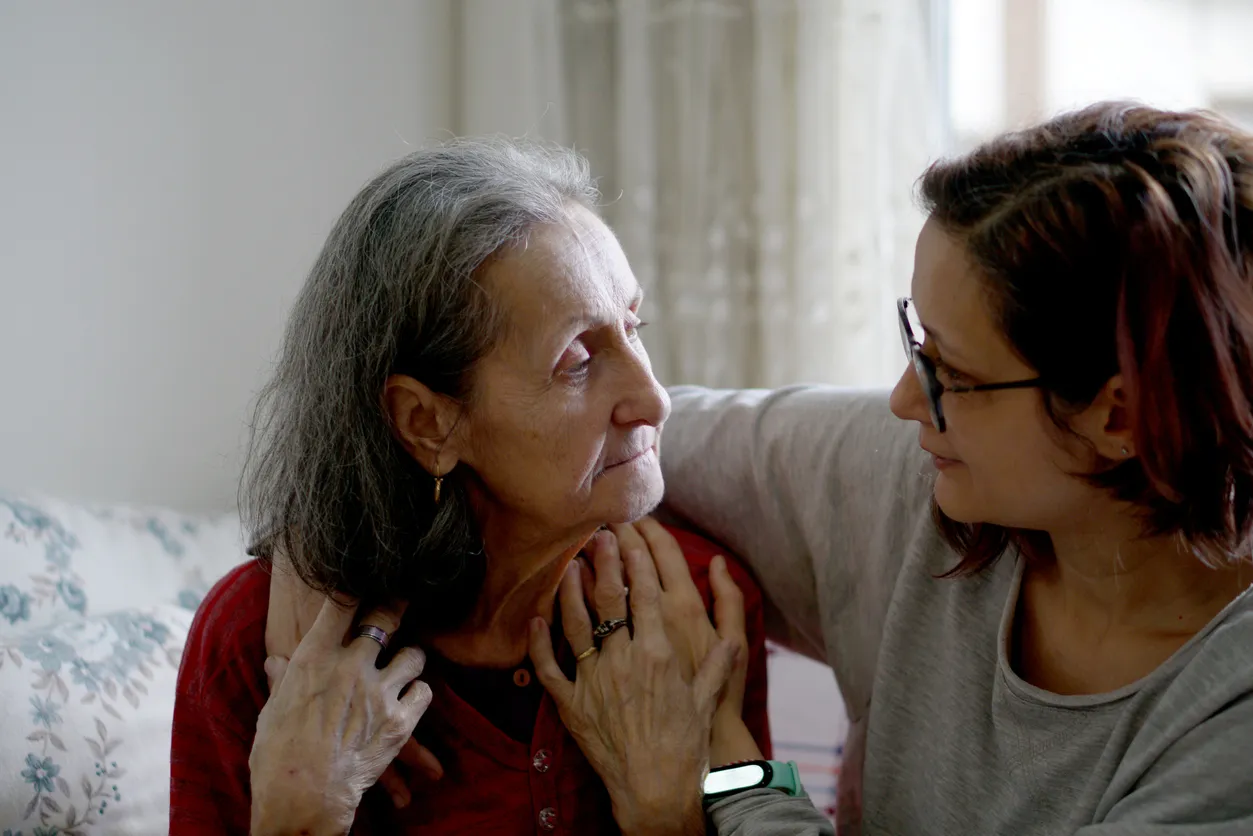

More than seven in 10 female carers and three in five of all carers participating in the Australian Institute of Health and Welfare’s Living with Dementia Survey reported feeling overwhelmed by their caring responsibilities.
The Living With Dementia Survey is the first national survey to directly capture the voices of people living with dementia in the community, and nearly half of participating carers – and four in five of those who identify as the primary carer of someone living with dementia – also reported that some family relationships had deteriorated since they began caring duties.
Dementia Australia is flagging these findings for National Carers Week – an initiative of Carers Australia – which takes place from 11–17 October.
This year’s theme is Care for a carer: Making carers visible. It aims to recognise and celebrate the millions of Australians who provide unpaid care to a family member or friend.
Dementia Australia chief executive officer Professor Tanya Buchanan said the findings show that while caring can be rewarding, it can also bring challenges. They also reinforce the need to make sure carers are receiving the support they need.

(supplied)
“With so many Australians involved in caring, it is vital that there are systems in place to provide adequate support to carers,” Professor Buchanan said.
“Without support, carers can experience burnout and reach crisis points, which has flow-on effects for people living with dementia. It increases the risk of unplanned hospitalisation or premature entry to residential care, which in turn puts more strain on individuals as well as the health and aged care systems.”
Professor Buchanan also reiterated Dementia Australia’s calls for a national independent review of respite services, pointing to respite care as one way carers can be better supported.
Service availability and complexity with trying to apply for services were also noted as barriers, with the Living with Dementia Survey finding that almost half of carers reported encountering complicated application processes for services and support and one in three said there was a lack of available services in their local areas.
“These findings echo what we have heard from people living with dementia and their carers for a long time – navigating and understanding the services and supports after a diagnosis of dementia can be extremely challenging,” said Professor Buchanan.
“The Living with Dementia Survey further found that while three in five people received information about available services soon after diagnosis, only two in five found it easy or very easy to find, apply for and book support services. This highlights the gap between receiving information and successfully navigating the system.
“This is why we want to see the implementation of a National Dementia Care Navigators Network to give people living with dementia and their families one point of contact after a diagnosis to help guide them through the process to access the right supports and services available to them.”

Advertisement

Comments are closed.