
Need assistance?

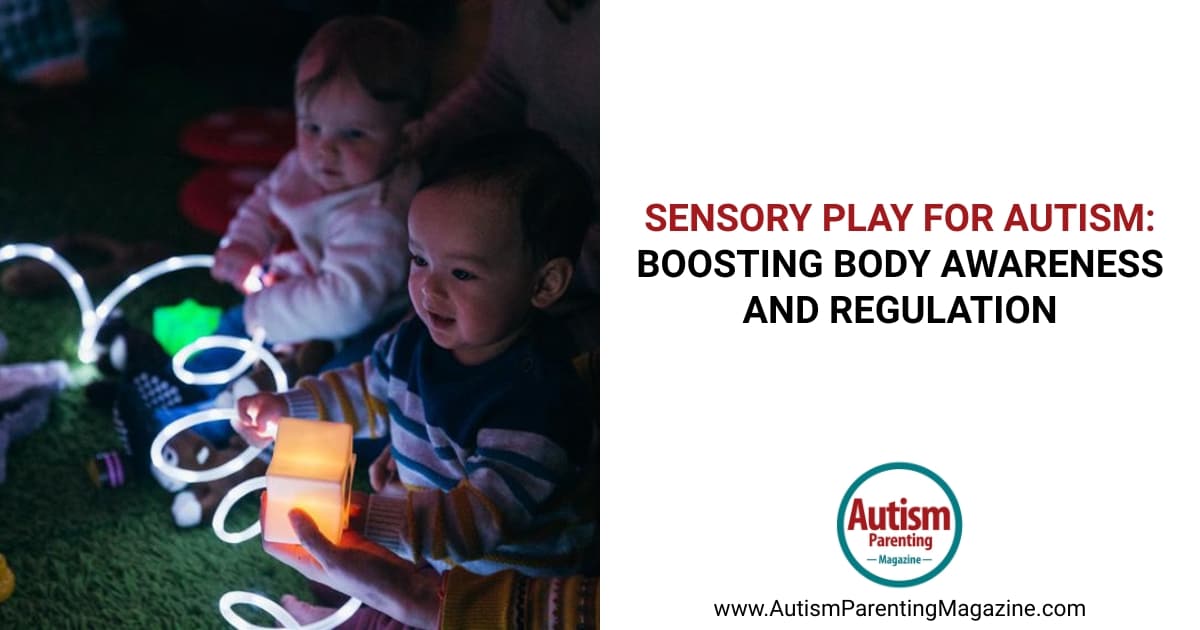

An occupational therapist shares valuable information about sensory games and toys.
Children with autism are children first and foremost. They may have wonderfully rich imaginations, a standard (and sometimes additional) set of needs, yet there is much they can learn through play.
Every child gravitates towards certain types of toys and types of play. What is interesting to one may not be interesting to another. As any parent of a child with autism knows, these particularities can be very intense. Children with autism often have strong sensory needs as well as a strong sensory sensitivity, and that combination makes for every individual’s likes and dislikes in terms of toys.
It’s always beneficial to try to meet a child where their interests lie. In order to give someone the capability of theory of mind, i.e., the capability to come out of their thoughts and perspective and see someone else’s thoughts and interests, you first need to join them in their interests. Then you can gradually bring them out into a middle ground.
Play builds connections
Meeting your child on their level and engaging with what they’re interested in is absolutely essential to making a meaningful connection.
Regardless of where your child may “fall on the spectrum,” so to speak, one of the challenges parents with autism face is building connections. If your child is nonverbal or not very communicative, play is a beautiful way to bridge the gap between traditional verbal communication and relationship building.
There are so many wonderful ways to build strength into your connection with your child, and as you dive into this article further, you will get a picture of how many options you have.
What are sensory toys and games?
Sensory toys and games are specially designed to stimulate one or more of the senses. Children on the spectrum enjoy these as they provide the sensory input that they need.
As a parent, you may have heard about sensory toys and games in the toddler or preschool years. “Sensory play” has become something of a buzzword in early education, and it’s a great way to facilitate tactile exploration of the world.
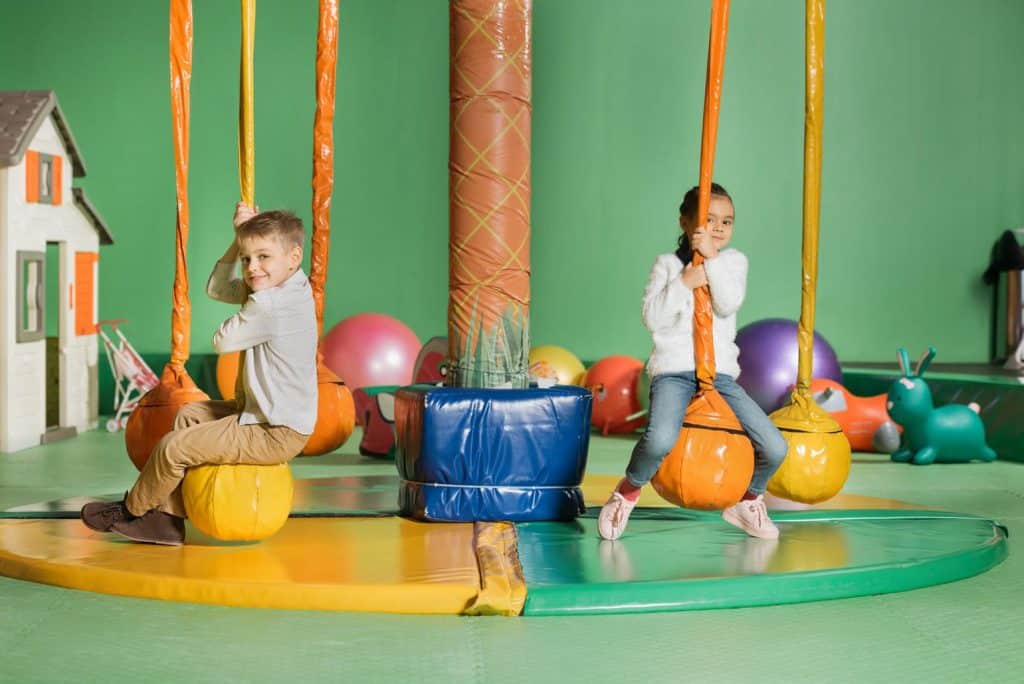
If your child is in occupational therapy, your therapist has probably used some of the toys we’ll talk about here.
Here are some examples:
Textured items
Think about contrasts: bumpy versus smooth; scratchy versus soft. Textured items can include sensory tubes, squishy balls, sandpaper, bubble wrap, slime, spiky balls, and more.
Sensory lighting
Light and shadow, mood lighting, colorful lights, lava lamps, LED color strips, twinkle lights, and more can be used in sensory play.
Fidget items
These are easier than ever to get, and popular options include poppers and spinners. Repetitive, constant movement can satisfy a child’s sensory needs.
Scratch and sniff or scented items
Scented playdough, scented markers, even the scent of nature-based crafts that use leaves and flowers can soothe a child whose sensory system is out of balance.
Many of our examples aren’t things you have to run out and buy. You can create sensory items from things you already have in your home, such as items used to wash dishes, shower, and paint. This is also a good way to model for your child how to seek out appropriate sensory experiences, making it clear that these things are accessible and not hard to find.
Let’s go through some examples of how your child, who may experience ASD symptoms or be diagnosed with autism, can play sensory games to feel good.
Visual stimulation sensory play
ASD is often typified by an intense need for visual stimulation. This is why children with autism may spin in circles or spin their toys around and around. Repetitive movement has a calming effect, helping them regulate their sensory system.
It’s important to pay attention to how your child responds to lights and various types of visual stimuli.
Often, a perfectly balanced environment will leave them feeling at rest, whereas one where a light, color, texture, or sound is “off” to them will promote anxiety.
Visual sensory play can include things like this:
- Decorating or doing crafts with glittery papers or materials
- Sticking colorful alphabet letters to a felt board
- Playing with a light projector or different colored lights
- Color painting in high-contrast paper colors and paint colors
- Using flashlights to do a scavenger hunt
- Creating a kaleidoscope, paper windmill, fan, flag, or wind sock
Think about what sights are highly stimulating and interesting, then follow your child’s lead on what makes them feel happy and at ease
Sensory games and the vestibular system
Sensory games that provide vestibular input are a powerful way to help your child feel more focused and alert. One of our favorite ways to play with this is to use a balancing board.
The amount of focus a child has to exercise to stay upright can be helpful. There are plenty of fun games you can play once your child is confident and balanced. If the balance board is too challenging for your child at their age or level of gross motor development, you can use a BOSU ball, or even just a folded towel on the floor to give them some “early stage” attempts at balance.
Another whole-body option is compression vests, which provide deep proprioceptive input and calm the body. Try using them to help your child increase their body awareness.
With improvements in body awareness, your child will have a better understanding of where their body is in space, and how one part of their body moves in connection to another part.
You may discover that your child’s gross motor movements, like jumping or kicking a ball, will improve with heightened body awareness.
If you are a parent of a child with autism, we know that you live day in and day out wanting nothing more than for your child to feel calm, to feel peaceful, and to feel at home.

Advertisement
