
Need assistance?

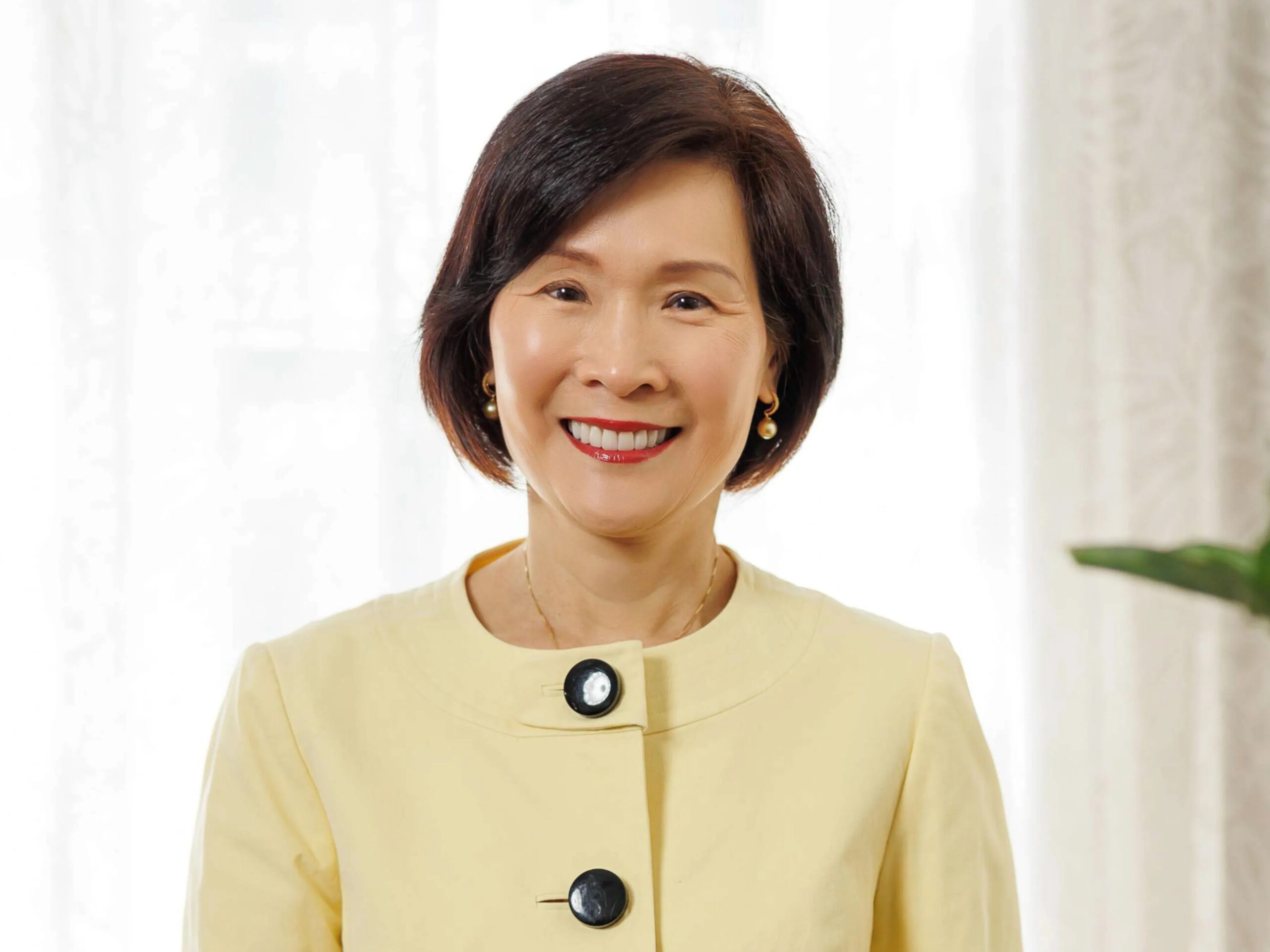

After more than 40 years of working in the aged care sector and 21 years as chief executive officer of the Australian Nursing Home Foundation, Ada Cheng says she wants more people to understand that working in aged care “can be sexy, attractive [and] fun.”
The sector has changed a lot in the last four decades, she said, including two new Aged Care Acts since the 1980s – passed in 1997 and 2024 – plus new systems and models of care.
But key to managing further change in the future is technology and innovation, Ms Cheng told Australian Ageing Agenda ahead of her planned retirement on 31 August.
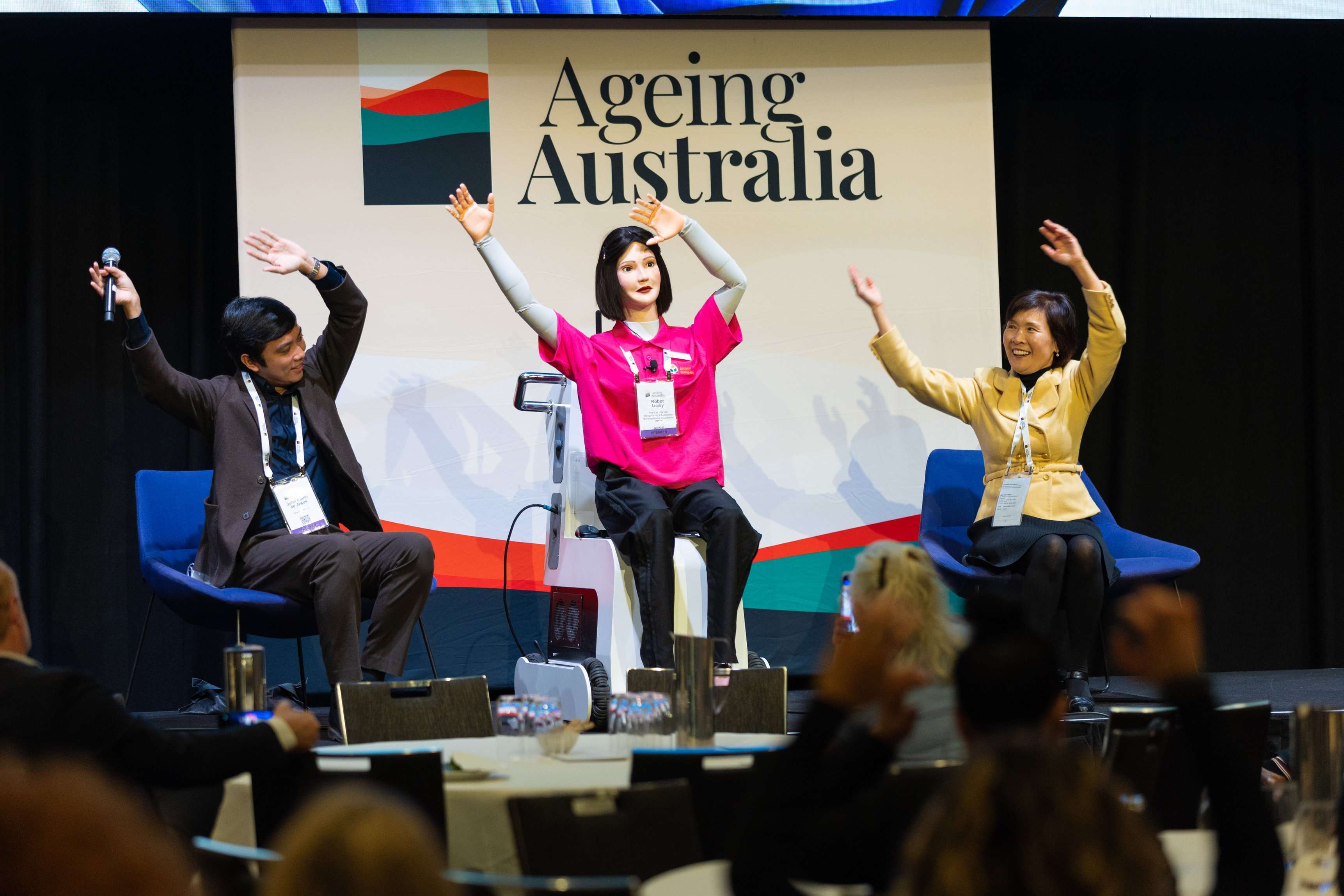
Ms Cheng has been a leader in introducing gerontechnology across ANHF’s five care homes, seniors’ wellness centres, community housing and home care services.
When Ms Cheng took on the role of CEO of the Sydney-based provider, it had two homes – with 45 and 46 beds each – and a dementia day centre in the city that was open one day a week.
Ms Cheng said she had initially considered turning down the role. She was working for the Department of Health and Ageing and was enjoying the stability of the role.
It was when someone reminded her that her own parents were getting older and that the population of older Chinese Australians and older Australians of Asian descent was growing that she began to think more about the importance of culturally specific care.
“It really hit my heart,” she said.

She wasn’t quite ready to let go of her departmental role, she said, and so she agreed to take on the CEO role for six months.
Within those first six months, Ms Cheng started applying to establish new aged care homes in Hurstville – which, according to the 2021 census, had a cohort of around 14,691 Chinese Australians, representing 47 per cent of the population.
She was also successful in getting respite care for working carers established in the city and the first co-located day centre for dementia care in Burwood – a program that went on to be used internationally as a case study of culturally safe dementia care.
Those first few months were busy, but Ms Cheng described the experience as “rewarding” and said she was “really humbled” by it.
Don’t be scared of technology
Looking to the future, Ms Cheng encouraged the next generation of leaders not to be fearful of technology and to prioritise innovation. She also urged emerging leaders to “continue to be curious.”
“And think that aged care is something very interesting and try to think away from the conventional model and be creative and be innovative,” she said.
Ms Cheng predicts that more providers will adopt their own technology and integrate it into care, and while acknowledging “a lot of people are scared of AI,” she believes it will be a helpful tool – as long as leaders have good controls on it.
She said not to be fearful of it but to learn to use it advantageously.
“Don’t think this is a devil. Technology is helping us, but the thing is, you should continue learning,” she said.
“Like me, I’m still learning a lot and I’m very eager to learn [and] after my retirement I may exhibit as an advocate for seniors using gerontechnology.
“And I’d love to even go into some government committees, even doing it as pro bono work to promote it, because I personally am coming into that aged cohort – I should advocate for it.”

This kind of thinking is needed more than ever, Ms Cheng said, with the first of the baby boomers starting to enter the aged care system with expectations that are “totally different from the old model.”
While the reforms give people the capacity to think about the full spectrum, it’s about reflecting on how you make people feel, and making older people feel they have choice and control and can be independent.
“And try not to do everything for them – because they’re very clever, and the mind will never stop thinking. They want to continue learning and continue to become active and become purposeful,” she said.
“These are all very important things to think about.”
It’s also about thinking beyond just “compassionate care”, Ms Cheng said, adding this was already part of the conversation when she joined the sector in the 1980s.
“But now for older people, it is beyond compassionate – they like [for] you to respect them, they like you to see them as very independent,” she said.
“They may have a physical disability but they still have a very good mind, even people with dementia, they [have] still got memories of the old times. They like you to respect them, to treasure the memory, to treasure who they were before. This is something very important.”

Reform brings opportunity to innovate
Ms Cheng acknowledged that the reform process has been extensive but she encouraged the sector not to just view it as restrictive.
“In actual fact, it opened a lot of room for innovation,” she said. “A lot of room for co-design and collaboration with seniors.”
“Moving from provider-centric to person-centric services is beautiful – because that is the basic human dignity. And you have to honour them because they are older. They did a lot of beautiful things in their early life, and then when you care for them, if you’re person-centred, there’s so many beautiful things you can discover by seeing people’s history and how they can become a source of strength and also [have] words of wisdom that can inspire the younger generation – this is how I see it.”
This article is part of our 2026 Leadership Talk series featuring senior executives in the aged care sector
We hope you enjoyed this article – please add your comments below
Visit our features section for more in-depth stories

Advertisement
